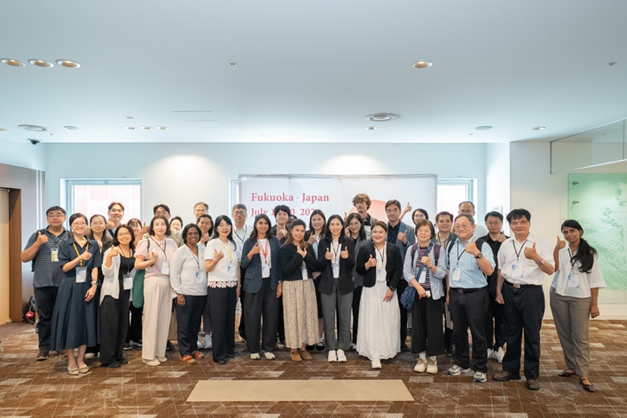
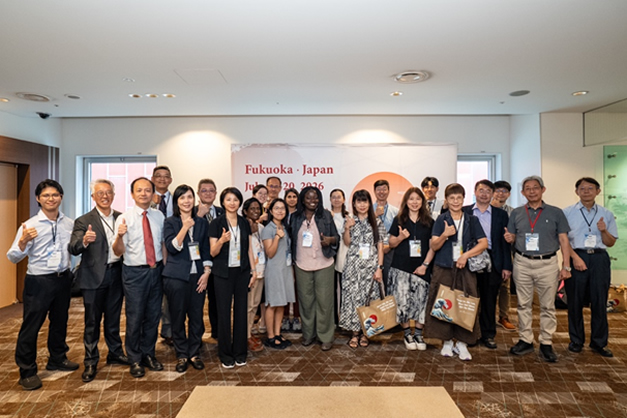
The 10th International Conference on Education and Psychology
July 18-20, 2026Fukuoka, Japan
Venue: TKP ELGALAHALL
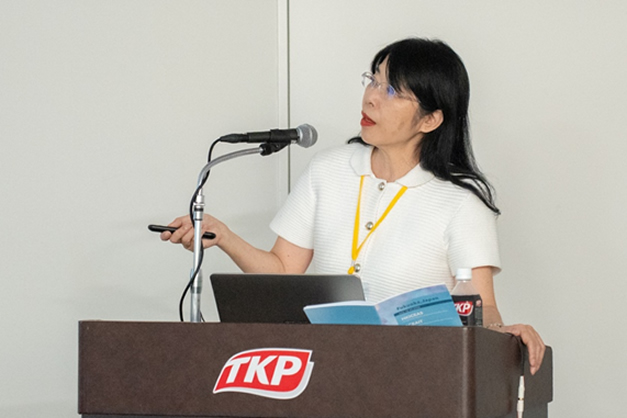
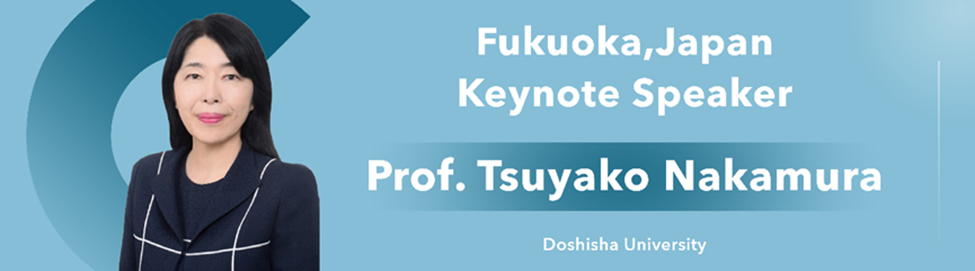
Work–Life Integration as a Framework for Transforming Japan’s Labor Regime
Japan’s gendered Fordist employment regime—anchored in the male breadwinner model, seniority-based employment, and the privatization of care—long underpinned the nation’s economic growth. Today, demographic decline, labor market dualization, shifting life-course aspirations, and digital transformation are destabilizing this foundation. Government-led work–life balance initiatives and work style reforms have sought to respond, yet deep organizational path dependencies and managerialist logics sustain a persistent gap between policy and practice. The rapid rise and retreat of telework during the COVID 19 pandemic further reveal the resilience of legacy institutions. This keynote reinterprets these developments through the lens of work–life integration (WLI), which conceives work and life as interdependent domains embedded in socio technical systems. By situating WLI within Japan’s historical employment trajectory, it clarifies the conceptual limits of WLB and identifies the institutional and cultural conditions for realizing more integrated futures of work and care. The analysis contributes to global debates on post Fordist labor regimes and the transformation of social reproduction.
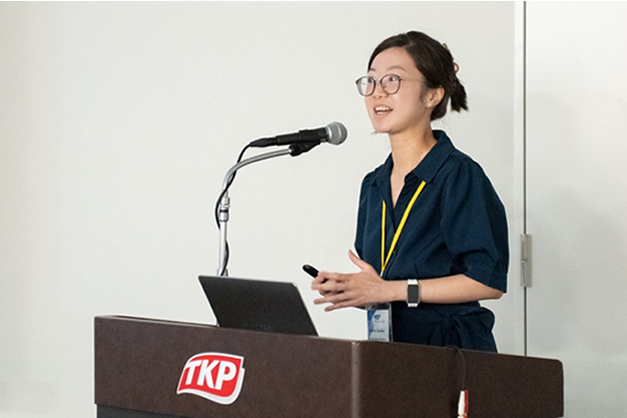
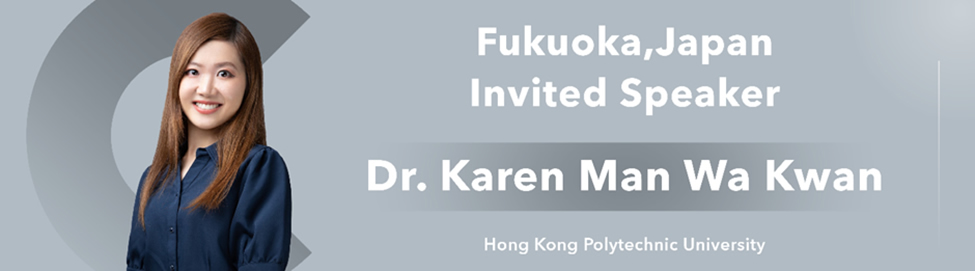
Gender Development in Childhood: Supporting Inclusive Environments
Children’s perceptions of gender-related behavior shape how they respond to peers of different gender expressions. This presentation provides an integrated, research informed overview of gender development in childhood, with particular attention to how children evaluate gender-nonconforming peers. Drawing on empirical work conducted in Hong Kong and Canada, the findings show that children often respond less positively to peers who violate traditional gender norms, with this pattern being especially pronounced when the peers are boys. At the same time, evidence indicates that children’s attitudes are malleable.By connecting developmental science with applied implications, scientific insights can inform practices that support inclusive environments and foster positive peer interactions, which can potentially contribute to the well being of children with different gender expressions.